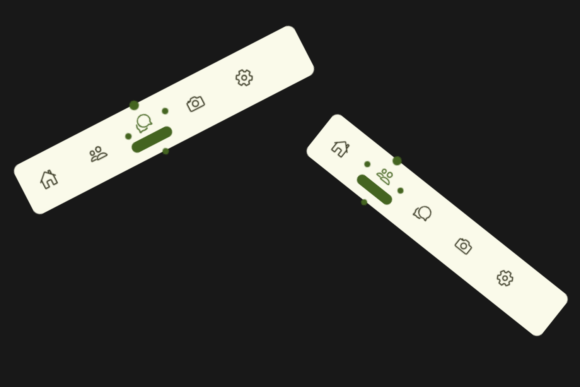
Nav-bar with Code for Your Site: Elevating Digital First Impressions
In the crowded digital landscape, where attention spans are measured in seconds and user expectations are higher than ever, the difference between a visitor staying or leaving often comes down to subtle design cues. The navigation bar is not merely a functional utility; it is the compass of your website, guiding users through your content while simultaneously establishing your brand’s aesthetic identity. This is where the concept of a Nav-bar with Code for Your Site becomes increasingly relevant for professionals, creators, and business owners alike. By integrating pre-built, animated code snippets into your web projects, you can achieve a level of polish and interactivity that distinguishes your platform from the static, template-driven sites that saturate the market.
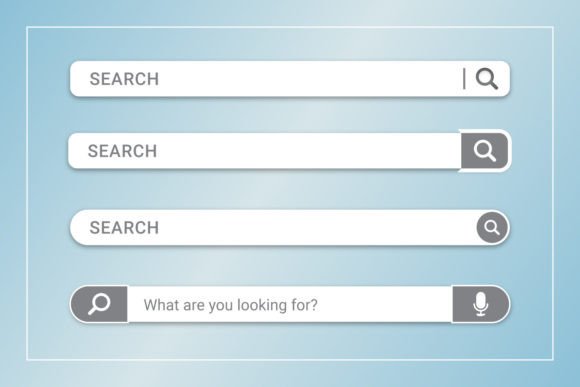
Welcome here. This product involves the download of codes for the nav bar to use on your site with some animations that make your website different from others. It represents a shift towards modular, efficient web development where high-quality design elements are accessible without requiring hours of custom coding from scratch. For entrepreneurs and marketers, this means faster deployment of professional-grade interfaces. For developers and hobbyists, it offers a robust foundation upon which to build unique user experiences.
The Evolution of User Expectations and Interface Design
Over the past decade, we have witnessed a significant transformation in how users interact with websites. The era of flat, purely functional design has given way to an expectation of fluidity and responsiveness. Modern users do not just want information; they want an experience. They expect smooth transitions, intuitive feedback, and visual delight. A static navigation menu, while functional, often feels outdated in comparison to the dynamic interfaces seen on leading tech platforms and creative portfolios.
This shift is driven by the widespread adoption of mobile devices and high-speed internet, which have conditioned users to expect seamless interactions. When a navigation bar responds to a hover with a subtle animation or transforms elegantly upon scrolling, it signals to the user that the site is modern, well-maintained, and attentive to detail. These micro-interactions build trust. They suggest that if the developer cared enough to perfect the navigation, they likely cared equally about the content and security of the site. Therefore, incorporating a Nav-bar with Code for Your Site is not just about aesthetics; it is a strategic move to align with contemporary user psychology and improve perceived credibility.
Why Animated Navigation Matters for Brand Differentiation
In a market saturated with WordPress themes and generic builders, standing out requires intentional customization. Many businesses struggle with the "same-site syndrome," where their digital presence looks indistinguishable from competitors because they rely on default settings. Animation provides a powerful tool for differentiation. However, implementing complex animations from scratch can be time-consuming and technically challenging, often requiring advanced knowledge of CSS3, JavaScript, and responsive design principles.
By utilizing a downloadable code package, you bypass the initial heavy lifting. You gain access to professionally crafted animations that are optimized for performance and compatibility. This allows you to focus on what truly matters: your brand message and content strategy. Whether you are a freelancer showcasing a portfolio, an educator hosting online courses, or a retailer selling products, a distinctive navigation bar serves as a memorable touchpoint. It reinforces brand identity through motion and style, creating a cohesive narrative that extends from the first click to the final conversion.
Practical Implementation: How to Use the Code
One of the primary advantages of this approach is its accessibility. You do not need to be a senior software engineer to implement these enhancements. The process is designed to be straightforward, empowering users with varying levels of technical expertise to upgrade their sites. Here is a practical guide to getting started:
- Download the zip file: Begin by acquiring the package. This compressed file contains all the necessary HTML, CSS, and JavaScript files required for the navigation bar to function correctly.
- Extract and open it in a code editor: Once downloaded, extract the contents to a folder on your computer. Open the main HTML file in your preferred code editor, such as Visual Studio Code, Sublime Text, or Atom. This allows you to view the structure and understand how the components interact.
- Use icons of your own choice, you can even change the color: Customization is key. The code is structured to allow easy modification. You can replace default icons with those that match your brand guidelines using popular icon libraries like FontAwesome or SVG assets. Furthermore, adjusting the color palette is simple, enabling you to maintain consistency with your existing website theme.
Thanks to this modular structure, integration into existing projects is seamless. You can copy the relevant code segments into your current website framework, whether it is a custom-built site or a flexible CMS theme. The animations are lightweight, ensuring that they enhance rather than hinder page load speeds, which is crucial for SEO and user retention.
Adapting to Modern Workflows and Creative Practices
The trend towards using pre-coded, customizable components reflects a broader shift in creative workflows. Professionals across industries are adopting a "compose rather than create from zero" mentality. This does not diminish creativity; rather, it redirects it. By leveraging high-quality base code, designers and developers can iterate faster, test different styles, and respond to client feedback more efficiently.
For marketers and business owners, this efficiency translates to cost savings and quicker time-to-market. Instead of allocating budget for extensive front-end development hours, resources can be directed towards content creation, SEO optimization, and audience engagement. For educators and bloggers, it lowers the barrier to entry for creating professional-looking educational platforms or personal brands, allowing them to compete with larger entities on a visual level.
Moreover, the ability to tweak colors and icons ensures that the final product remains unique. While the underlying code may be shared, the visual output is tailored to your specific needs. This balance between standardization and customization is ideal for today’s fast-paced digital environment, where agility and distinctiveness are both valued.
Technical Considerations and Best Practices
While the ease of use is a major benefit, it is important to approach implementation with a mindful strategy. Ensure that the animations you choose serve a purpose. They should guide the eye and provide feedback, not distract from the content. Overly complex or slow animations can frustrate users, particularly those with motion sensitivities. Always test your navigation bar on multiple devices and screen sizes to ensure responsiveness.
Additionally, consider accessibility. Make sure that any interactive elements are keyboard-navigable and that contrast ratios meet WCAG standards. The flexibility of the code allows you to adjust these parameters, ensuring that your site is inclusive and usable for all visitors. By combining aesthetic appeal with technical rigor, you create a navigation experience that is both beautiful and functional.
In conclusion, integrating a Nav-bar with Code for Your Site is a practical step towards modernizing your web presence. It addresses the growing demand for dynamic, engaging user interfaces while respecting the constraints of time and budget. By following the simple steps of downloading, extracting, and customizing, you can transform a standard website element into a standout feature that enhances user experience and strengthens brand identity. As digital trends continue to evolve, embracing tools that facilitate high-quality, efficient design will remain a key advantage for professionals and creators alike.